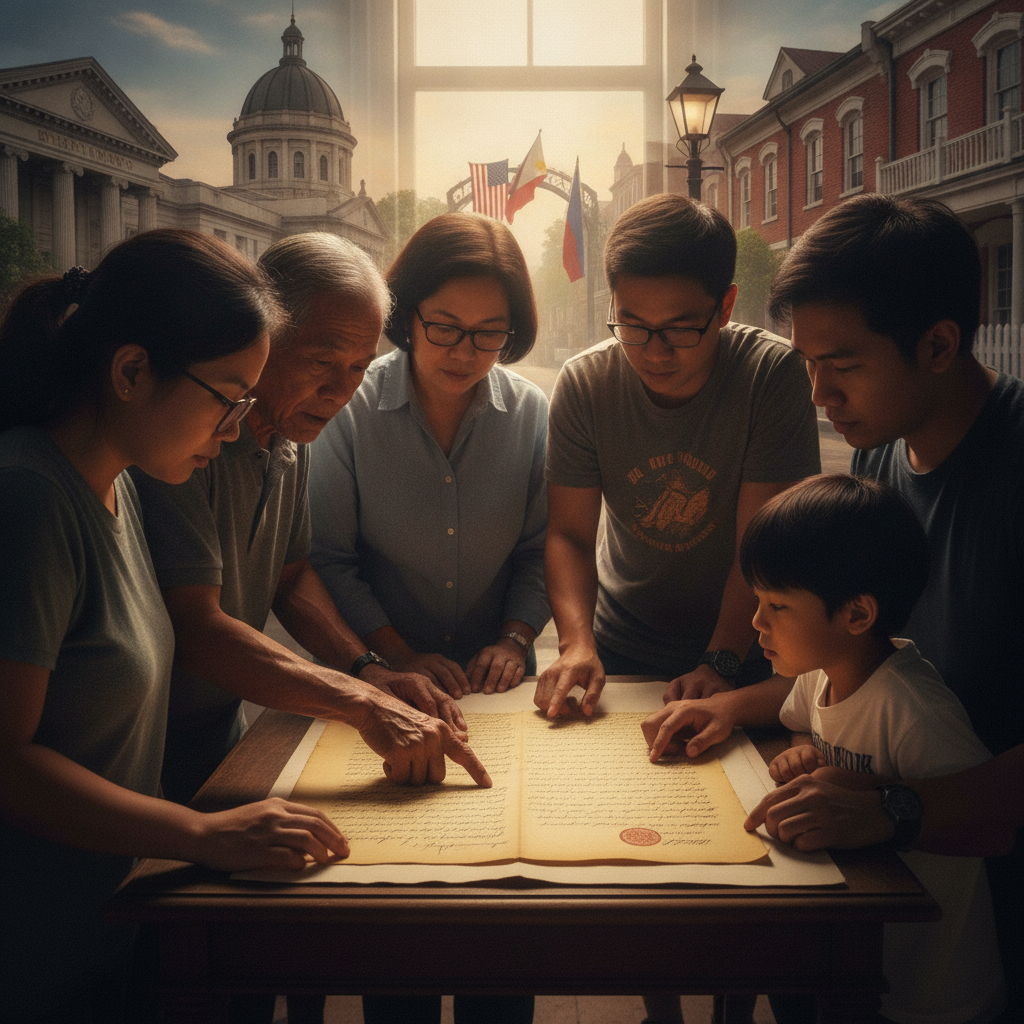
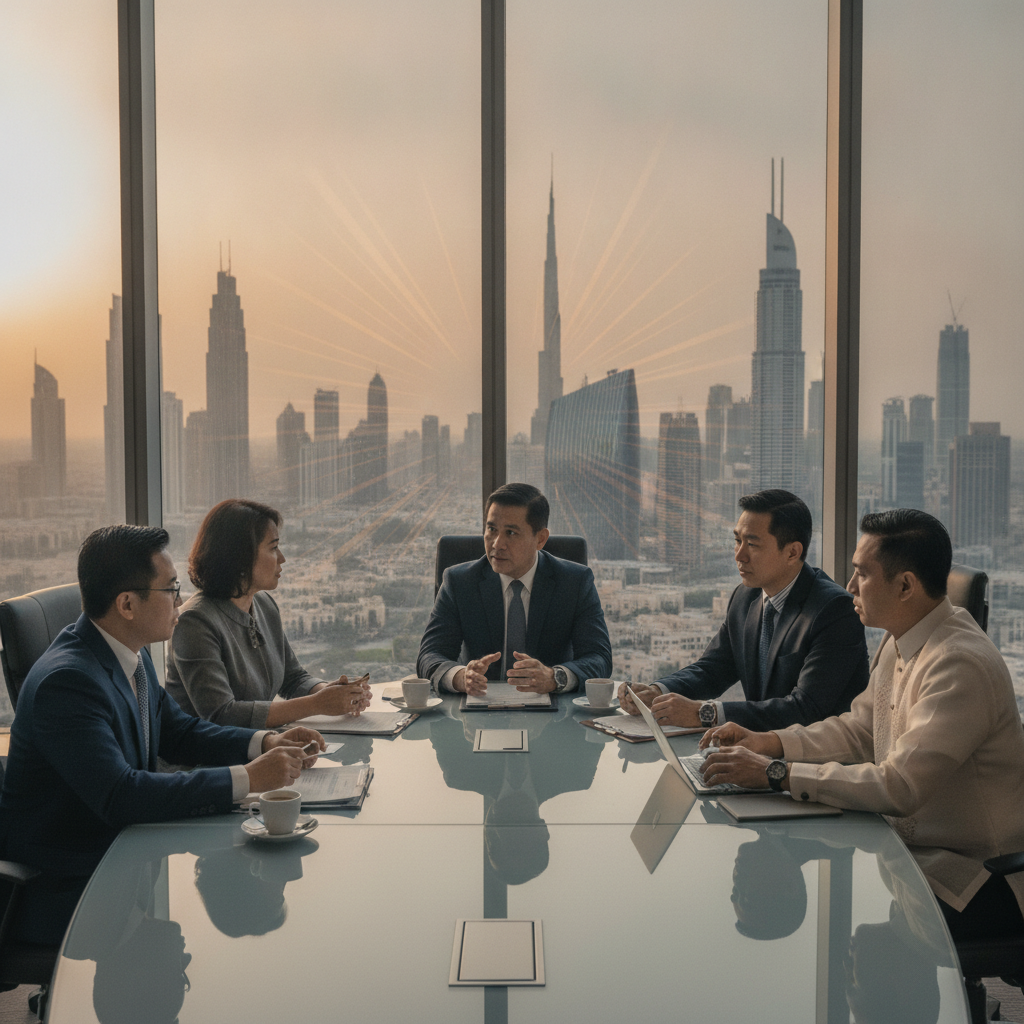
As the United States prepares to commemorate its 250th anniversary, a significant milestone of independence and nation-building, the occasion also casts a spotlight on its deep and complex 128-year relationship with the Philippines. This enduring connection, tracing its roots to the late 19th century, continues to profoundly shape the lives and destinies of millions of Filipinos, whether residing in the archipelago or as overseas Filipino workers (OFWs) across the globe. The ties between the Philippines and the United States, formalized around 1898, extend far beyond diplomatic agreements. They encompass a rich tapestry of shared history, economic interdependencies, and significant cultural exchange. For generations of Filipinos, the U.S. has represented a land of opportunity, drawing countless individuals seeking better economic prospects, educational advancement, and professional growth. This historical migration has led to the formation of one of the largest and most vibrant Filipino diaspora communities worldwide, deeply integrated into American society. Why It Matters This 128-year legacy is particularly relevant for the Filipino community today. Economically, the United States remains a top destination for OFWs, with remittances from Filipinos in America forming a crucial pillar of the Philippine economy. Beyond direct financial contributions, the U.S. is a major trade partner, and American investments continue to create jobs and drive development in the Philippines. The security alliance between the two nations also provides a geopolitical anchor, influencing regional stability and, indirectly, the economic environment for many Filipino families. The historical connection means that many Filipinos in the U.S. benefit from established community networks and a familiarity with American institutions, easing their transition and settlement. What Filipinos Need to Know For Filipinos and OFWs, understanding the depth of this bilateral relationship is vital. It underscores the pathways and challenges faced by those seeking to live, work, or study in the U.S., influencing immigration policies, labor opportunities, and social integration. The cultural imprint is undeniable, from education systems to popular culture, creating a unique bridge that many leverage for success abroad. As both nations look to their future, this shared past serves as a foundation for continued collaboration, impacting everything from healthcare worker recruitment to technology partnerships, directly affecting the welfare and opportunities available to the global Filipino population.